September 29, 2026
Don’t Turn Grand Teton Into a Baseball Stadium
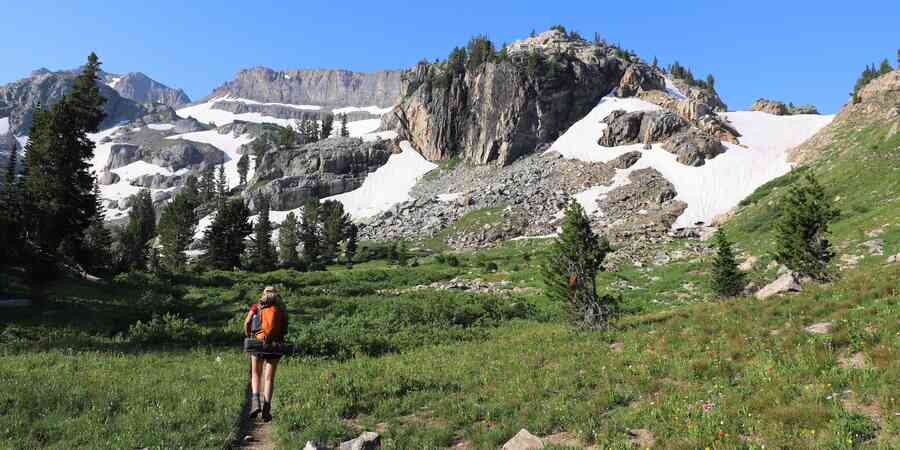
Grand Teton National Park is home to grizzly bears, wolves, bison, elk, moose and pronghorn. Bald eagles and ospreys soar overhead. Cutthroat trout swim in its waters. The Snake River winds beneath one of the most spectacular mountain ranges in America.
It does not need a baseball stadium.
Yet Major League Baseball has approached the Trump administration about holding a game in a national park, and Grand Teton is being considered as a possible location. MLB representatives and National Park Service staff recently visited the park, where several potential sites have reportedly been discussed.
A major-league game is not just nine innings and a patch of grass.
Hosting one could require grandstands, clubhouses and player facilities, broadcast and production areas, concessions, restrooms and sanitation, security, emergency services, and transportation and parking arrangements for thousands of spectators.
National parks are not intended for that level of commercial activity and infrastructure.
That is a breathtaking amount of disruption to introduce into a place where visitors are instructed to give bears and wolves at least 100 yards of space and where wildlife regularly moves across roads, meadows and developed areas.
Grand Teton’s own special-event rules recognize what is at stake. Events are not supposed to alter the movement of visitors, wildlife or traffic. They cannot close roads or trails or take place in wilderness areas. The park also requires special events to have a direct connection to Grand Teton and fit within the park’s mission.
Those protections should not be weakened or sidestepped for a televised sports spectacle.
And this is bigger than one ballgame. If a temporary professional stadium can be built in Grand Teton, other national parks could face the same pressure.
Major League Baseball has stadiums. It has cities. It has countless places to stage a memorable game.
America has only one Grand Teton.
Thank you for all that you do,
Mitch w/ Animal Commons
Source:
Washington Post | Trump administration considers building baseball park in Grand Teton National Park